Christoph Salge

Christoph Salge

Reader in Artificial Intelligence in Games and Head of the Social and Game Intelligence Lab, University of Hertfordshire

My research asks what makes agents do things in the first place, and how to model that. Since 2011 I have worked on empowerment and other information-theoretic intrinsic motivations.

One main direction I have applied this to is games and procedural content generation: I build agents and generators that adapt to their environment and to the people they play or create with, and I founded the Generative Design in Minecraft Competition (GDMC), an open-ended generative-AI challenge run every year since 2018. In AI alignment and safety, I have used intrinsic motivation to develop behavioural primitives that preserve human agency as well as the agent’s own. I am also interested in how different motivations give rise to social interaction, including co-creativity, and how those interactions are perceived.

An overarching theme of my work is to explore the many facets of a human–AI society, and how we can shape it.

Agent in the corridor 0.00 bits
Empowerment in a simple grid world. Each cell is shaded by how many futures an agent there can reach in n steps (log2 of the number of reachable cells). Point at a cell, or use the arrow keys, to move the agent.

Research

Games and procedural content generation

I build agents and content generators that adapt to their surroundings and to the people they play or create with. Much of this work runs through GDMC, where algorithms build whole settlements on terrain they have never seen. That raises a hard question for any open-ended generative system: how do you evaluate it when there is no single right answer?

  • The AI Settlement Generation Challenge in Minecraft Salge et al., KI – Künstliche Intelligenz, 2020; five-year retrospective at FDG 2022
  • An Examination of the Hidden Judging Criteria in the Generative Design in Minecraft Competition Hervé, Salge & Warpefelt, IEEE Transactions on Games, 2023
  • Comparing PCG Metrics with Human Evaluation in Minecraft Settlement Generation Hervé & Salge, FDG 2021
  • Terrain-Adaptive PCGML in Minecraft van der Staaij, Preuss & Salge, IEEE CoG 2024
  • New and Surprising Ways to be Mean: Adversarial NPCs with Coupled Empowerment Minimisation Guckelsberger, Salge & Togelius, IEEE CIG 2018. Best Paper Award
  • Relevant Information as a Formalised Approach to Evaluate Game Mechanics Salge & Mahlmann, IEEE CIG 2010
AI alignment and safety

Instead of writing rules for AI systems, I look for intrinsic motivations that produce safe behaviour on their own: behavioural primitives that keep a human’s options open while preserving the agent’s own capacity to act. Empowerment, the channel capacity from an agent’s actions to its future sensor states, gives one task-independent way to measure this. I also study how learning agents fail, using games built to mislead them.

Social interaction, co-creativity and the human–AI society

Different motivations produce different kinds of social behaviour. I study which motivations make agents interact with, support or oppose each other, how people perceive agents driven by them, and how norms, institutions and legal responsibility take shape in a society that includes AI.

  • An Enactive Approach to Artificial Intelligence and Legal Responsibility Benthall & Salge, in press, 2026
  • Uncertainty, Bias and the Institution Bootstrapping Problem Anagnou, Salge & Lewis, COINE workshop at AAMAS 2025
  • Reliably Re-Acting to Partner’s Actions with the Social Intrinsic Motivation of Transfer Empowerment van der Heiden, van Hoof, Gavves & Salge, ALIFE 2022
  • Human Perception of Intrinsically Motivated Autonomy in Human–Robot Interaction Scheunemann, Salge, Polani & Dautenhahn, Adaptive Behavior, 2022
  • Supportive and Antagonistic Behaviour in Distributed Computational Creativity via Coupled Empowerment Maximisation Guckelsberger, Salge, Saunders & Colton, ICCC 2016

All 60 peer-reviewed papers are listed in my CV and on Google Scholar.

Game projects

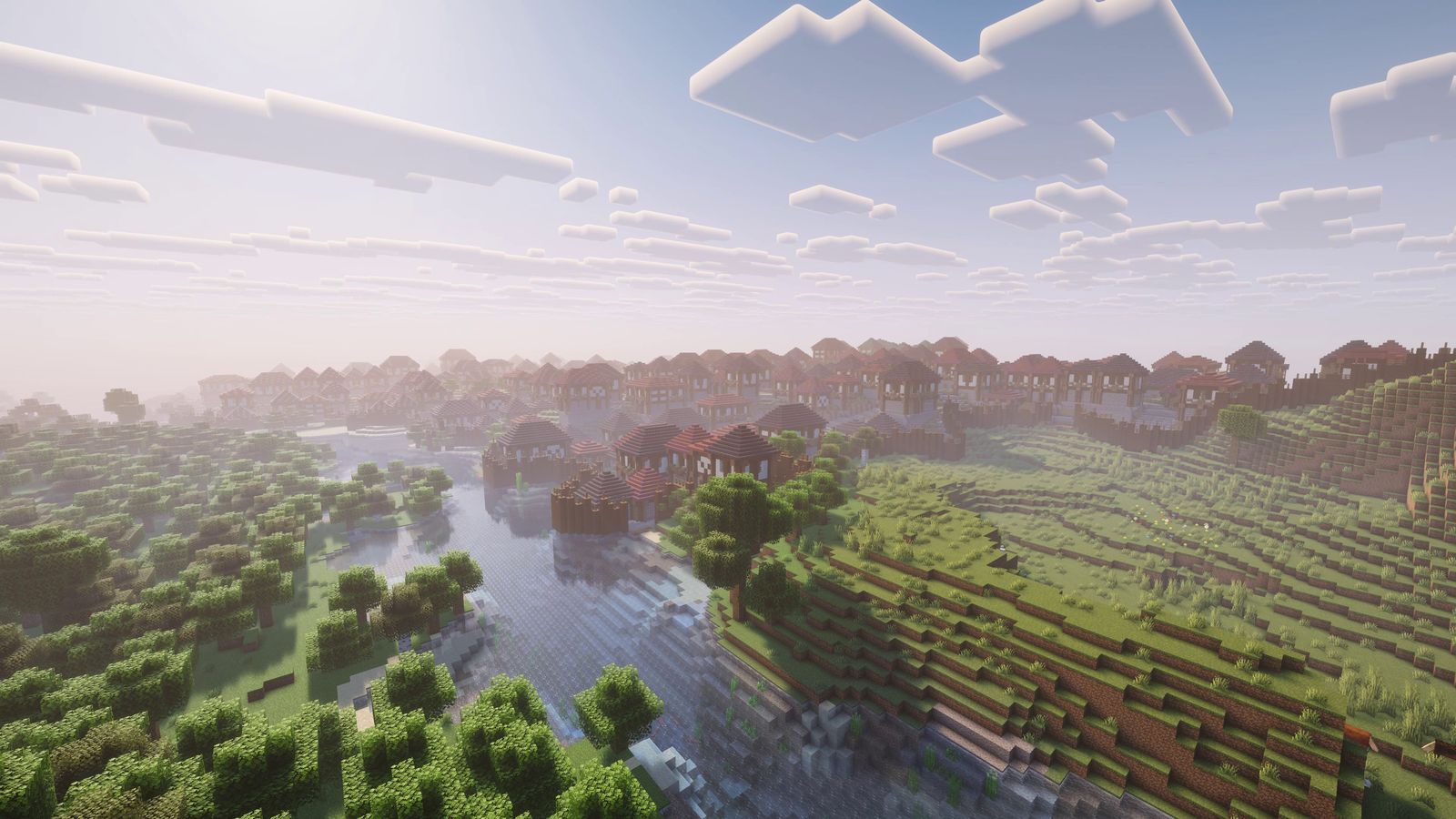
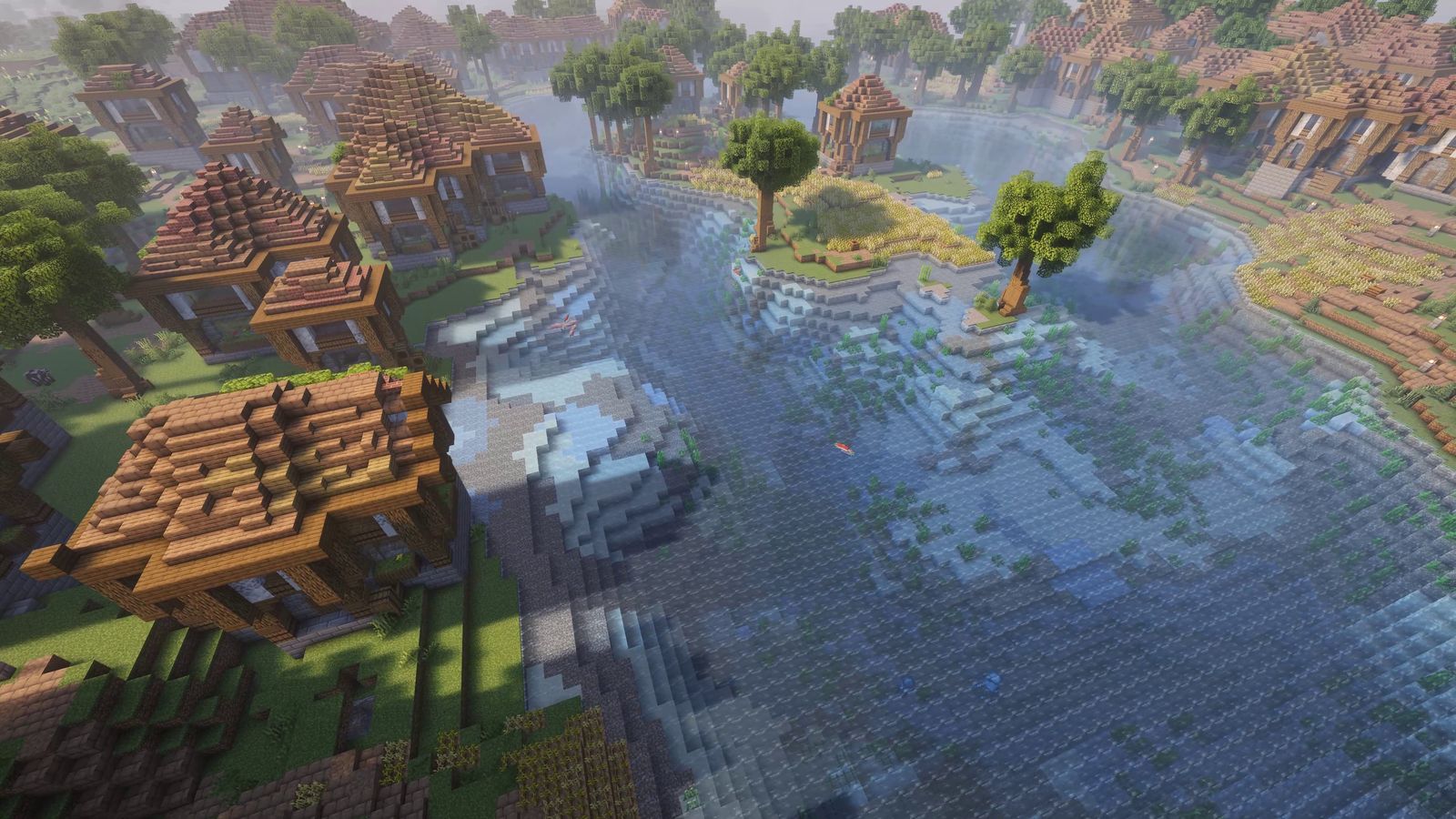
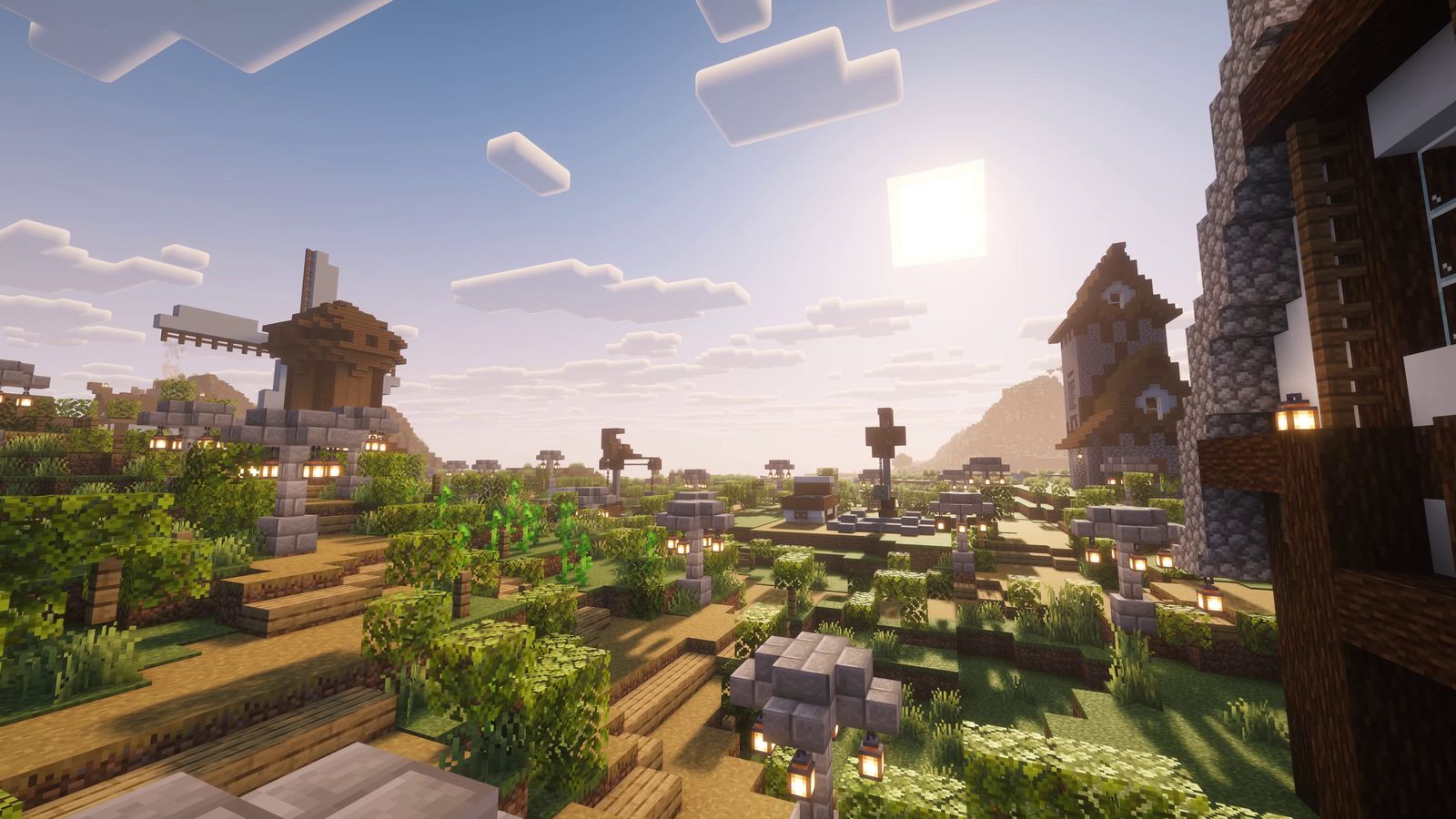
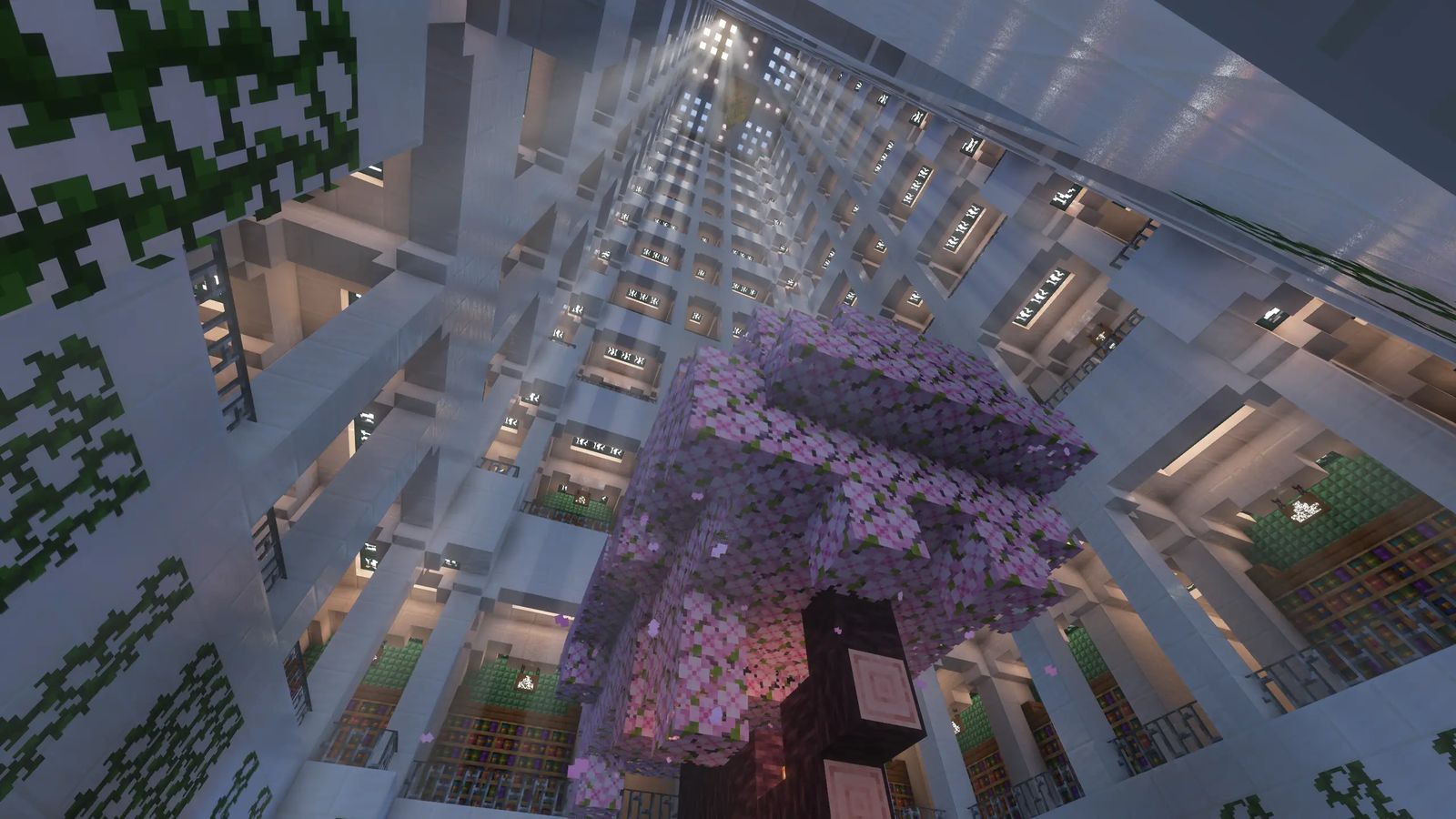
A generated village with a windmill, lantern-lit stone arches and terraced paths between fields Looking up through a many-storeyed atrium lined with libraries, with a cherry-blossom tree at its centre A large walled town of red-roofed houses beside a river, seen from a hillside Wooden-roofed houses around a lake with a small island, seen from above
1 / 4

Settlements built by GDMC entries, with no human intervention.

GDMC: the AI Settlement Generation Challenge in Minecraft

Since 2018, we have run an annual international competition in which entrants write algorithms that build a Minecraft settlement adapted to a map they have never seen, without human intervention. Human experts judge the results on adaptation, functionality, narrative and aesthetics.

We started the competition to explore holistic and adaptive procedural content generation. Entrants have tried a wide range of methods, and many have published research based on their entries. With recent advances in generative AI, GDMC has also become a testbed for what generative AI can do, how we value its contributions, and how we want to structure human–AI co-creativity.

Take part, browse past entries and code on the GDMC wiki. You can also watch the GDMC video playlist, or see an urban planner review GDMC cities.

Mars Needs Robots

A chamber LARP about AI and robot personhood, about how ideas turn into law, and about how the people in the room at a pivotal moment can shape history. Download it and play for free.

Escape from Earth

I was curious how easy it would be to turn an old game design document into a playable game with Claude, so I tried it. See the result.

Lab & teaching

I lead the Social and Game Intelligence Lab at the University of Hertfordshire and am part of the Adaptive Systems Research Group. I currently supervise four PhD students, two as main supervisor.

Former PhD students

  • Christian Guckelsberger Intrinsic motivation, game AI and computational creativity; now at Aalto University
  • Marcus Scheunemann Autonomous and intrinsically motivated robots for sustained human–robot interaction
  • Simon McCool  
  • Victoire Herve Evaluating Minecraft settlement generation
  • Stavros Anagnou Emergence of norms and institutions in multi-agent systems

Teaching

  • Social and Collective Intelligence BSc final year, lecturer and module designer, since 2023
  • Artificial Intelligence Programming online MSc, module leader, since 2020
  • Responsible Technology MSc, lecturer, 2021–2025
  • Ethics in AI guest lectures in Advanced Artificial Intelligence, since 2023
  • Philosophical and Societal Implications of AI New York University, module leader, 2018

Talks & media

I am happy to hear from journalists, podcast hosts and event organisers. I talk about AI in games, AI safety and alignment, generative AI and creativity, and what a society shared with AI might look like. Email me at c.salge@herts.ac.uk.

Selected talks

  • Keynote, Creativity in the Age of Generative AI University of Malta, 2025
  • Empowerment Workshop on Causal Incentives, Oxford, 2024
  • The AI Settlement Generation Challenge in Minecraft AI and Games Conference, London, 2024
  • AI Settlement Generation Challenge Microsoft Research AI and Gaming Research Summit, 2021
  • A Short Introduction to Empowerment Institute for Advanced Study, Princeton, 2018

Contact

Christoph Salge

Doing a PhD with me

I am not offering funded PhD positions at the moment. When that changes, I will announce them on LinkedIn, Bluesky and X, so following me there is the best way to hear about openings.

If you are interested in a self-funded PhD in my area, or have a funding scheme in mind that we could apply to together, email me. Please include your CV, a short research idea, and how it connects to my work.

Collaborations and industry

I am open to academic collaborations and industry partnerships, including funded projects, and always happy to talk about research in my area.